
Forty-six people just finished three weeks of training and walked into one of the toughest conservation jobs in Kenya. They are community scouts, drawn from conservancies across the Tsavo landscape. Their graduation on April 1, 2026, adds real capacity to a stretch of southern Kenya where wildlife, cattle, and farms compete for the same land.
Touring Insights covers this because travelers booking a Tsavo safari are funding the same landscape these scouts now patrol. Knowing who they are and what they do matters. It turns a trip here into something more than sightseeing.
What Just Happened in Tsavo
The African Wildlife Foundation (AWF) and Ol Pejeta Conservancy ran a 21-day course for scouts from 13 conservancies across Taita Taveta County. Sixteen conservancy representatives trained alongside their scouts at Ol Pejeta’s School of Conservation and Research Centre, far north of Tsavo itself. Then they returned to serve the landscape where they live.
The Embassy of Sweden in Kenya helped fund the course. It builds on a long-running partnership between AWF and the Taita Taveta Wildlife Conservancies Association (TTWCA). That partnership has now trained more than 150 community scouts across the region.
Who Are Community Scouts, and Are They Rangers?
Community scouts are not the same as armed Kenya Wildlife Service (KWS) rangers, though the two roles overlap in the field. Scouts work for individual conservancies or community trusts rather than the national government. They patrol conservancy land bordering Tsavo East and Tsavo West, not the parks themselves. Equipment tends to be lighter too, compared to a standard KWS unit.
What scouts add is local knowledge. Most grew up on the land they now patrol. They know which waterholes dry up first in a bad season, and which farms sit closest to elephant corridors. Several have lost livestock to lion or hyena themselves in the past year. That knowledge is hard to train into an outsider, and impossible to fake.
Inside the 21-Day Training at Ol Pejeta
The curriculum follows the KWS Law Enforcement Academy syllabus. That is the same standard used at the Academy’s home base in Manyani, inside Tsavo West National Park. Course modules covered five areas:
- Bushcraft and field survival, including tracking and navigation without GPS
- Anti-poaching patrol technique and snare detection
- Wildlife law enforcement and evidence handling
- Human-wildlife conflict mitigation and response
- Crime scene management for wildlife offenses
Instructors ran the course as a mix of classroom sessions and field exercises. Scouts practiced writing a defensible patrol report, the kind of documentation that holds up if a poaching case reaches court. Physical training, the kind every ranger-style role demands, ran alongside it.
What Community Scouts Actually Do Day to Day
The graduation ceremony gets the headlines, but the daily job is quieter and more repetitive. A typical week for a Tsavo-area scout includes:
- Foot and vehicle patrols along conservancy boundaries, often before sunrise
- Snare removal and reporting wire, poison, or trap sites to conservancy management
- First response to human-wildlife conflict calls, such as elephants raiding a maize field near Kasigau or a lion near livestock bomas outside Rukinga
- Data collection on wildlife sightings, feeding conservancy monitoring systems used by researchers
- Community liaison work, explaining conservation rules to neighbors and relaying complaints back up the chain
None of this pays especially well, and the hours are long. Scouts often work rotating shifts, with someone on call through the night. Conflict incidents rarely happen on a convenient schedule.
Community Scouts vs KWS Rangers: What’s the Difference
Both roles protect wildlife, but they sit in different parts of Kenya’s conservation structure. The table below breaks down the practical differences.
| Feature | Community Scout | KWS Ranger |
|---|---|---|
| Employer | Conservancy or community trust | Kenya Wildlife Service (national government) |
| Jurisdiction | Conservancy and group ranch land | National parks and reserves (e.g. Tsavo East, Tsavo West) |
| Typical armament | Unarmed or lightly equipped | Armed, paramilitary training |
| Training base | Varies (this cohort trained at Ol Pejeta) | KWS Law Enforcement Academy, Manyani, Tsavo West |
| Core local advantage | Deep knowledge of home community and land | Legal authority to arrest and prosecute inside parks |
| Typical funding source | NGOs, conservancy fees, donor grants (e.g. AWF, Embassy of Sweden) | Kenyan national budget and park entry fees |
The two forces coordinate closely. A scout who finds a snare line on conservancy land will usually radio it in to the nearest KWS post. Prosecution authority sits with the national service, not the conservancy.
Why Taita Taveta and the Tsavo Landscape Need More Scouts
Taita Taveta County sits between Tsavo East and Tsavo West. Elephants and other wildlife use this corridor to move between the two parks and toward Amboseli and the Chyulu Hills. Conservancies here act as a buffer, absorbing pressure that would otherwise fall directly on farms and villages.
That buffer role gets harder every year. Drought pushes wildlife closer to settled land looking for water and forage. Small-scale farms keep expanding along the same corridors elephants have used for generations. More scouts on the ground means faster response when an elephant enters a shamba at 3am. Faster response, in turn, means fewer retaliatory killings.
Visiting Tsavo Conservancies: Distances, Fees, and Gates
Travelers curious about the landscape these scouts protect can visit both the parks and several of the conservancies involved in the program. Here are the real numbers to plan around.
| Location | Distance from Nairobi | Distance from Mombasa | Non-resident adult entry fee (2026) | Notes |
|---|---|---|---|---|
| Tsavo East NP (Voi Gate) | 330 km (approx. 5 hrs by road) | 165 km (approx. 3 hrs) | USD 80/day | Park size: 13,747 km2 |
| Tsavo West NP (Mtito Andei Gate) | 233 km (approx. 3.5 hrs) | 260 km (approx. 4 hrs) | USD 80/day | Park size: approx. 9,065 km2 |
| KWS Law Enforcement Academy, Manyani | 300 km | 196 km | Not open for general tourism | Sits inside Tsavo West, off the Nairobi-Mombasa highway |
| Taita Taveta conservancies (Kasigau, Rukinga area) | 340-370 km | 150-180 km | Conservancy fees vary, typically USD 20-40/day | Community-run, funds scout salaries directly |
Fees above are indicative KWS rates gazetted in late 2025 and conservancy ranges reported by local operators. Confirm exact figures before booking, since conservancy fees are set independently by each trust and can change without notice.
Explorer Notes
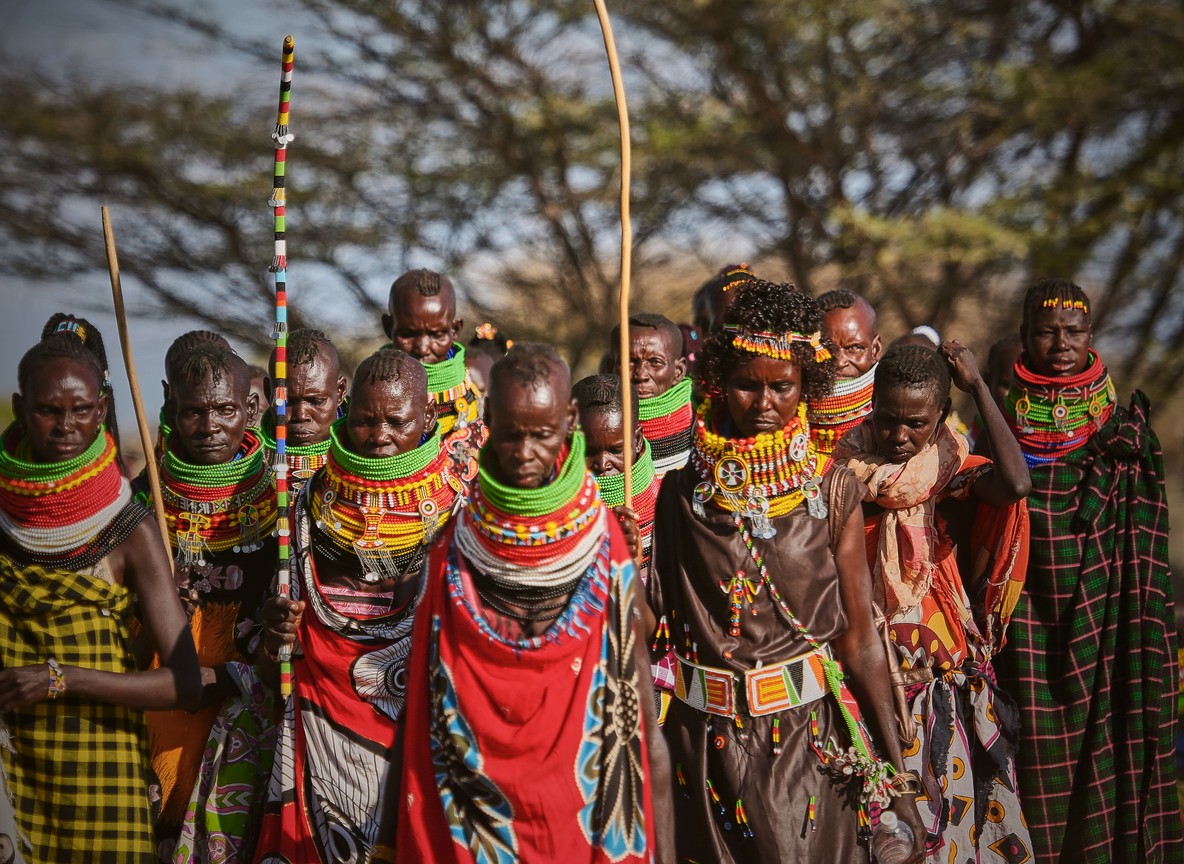
Ask your guide or camp host if they employ former community scouts. Several Tsavo-area camps hire graduates of these programs as trackers once their conservancy contract ends. Their bush knowledge tends to outclass a standard safari guide’s.
Visit in the dry season, June through October or January through March, for the best odds of seeing scouts or rangers working a waterhole area. Wildlife concentrates near permanent water then, and so does patrol activity.
Skip trying to visit the KWS Law Enforcement Academy itself. It is a working training facility, not a tourist site, and drop-in visits are not part of its operation. Conservancy visitor centers in Taita Taveta work better for learning about scout work firsthand. Several welcome pre-arranged group visits.
Frequently Asked Questions
What is a community scout in Kenya? A community scout is a locally recruited patrol member employed by a conservancy or community trust, not by the national government. They monitor wildlife, remove snares, and respond to human-wildlife conflict on conservancy land bordering national parks like Tsavo East and Tsavo West.
Who trained the 46 Tsavo scouts? The African Wildlife Foundation and Ol Pejeta Conservancy ran the 21-day course, with funding support from the Embassy of Sweden in Kenya. Training followed the KWS Law Enforcement Academy curriculum.
Are community scouts armed? Most are unarmed or lightly equipped, unlike KWS rangers, who carry firearms and hold arrest authority inside national parks and reserves.
Can tourists meet community scouts on a Tsavo safari? Yes, indirectly. Many conservancies in Taita Taveta welcome pre-arranged visits, and some Tsavo-area camps hire former scouts as trackers or guides.
How much does it cost to visit Tsavo East or Tsavo West? Non-resident adult entry runs USD 80 per day at 2026 gazetted rates for both parks. Conservancy day fees in Taita Taveta typically range from USD 20 to 40, depending on the trust.
What to Read Next
- Deciding between the two parks these scouts help protect? Read our Tsavo East vs Tsavo West guide.
- Planning around wildlife movement patterns? See our seasons in Tsavo East guide.
- Curious how conservancies compare to national reserves for a visit? Check our community conservancy vs national reserve safari guide.
Ready to build a Tsavo trip that routes through conservancy land as well as the parks? Our Tour Packages page has itineraries that include both, or reach out to a partner operator directly for a custom route through Taita Taveta.